 English
 Spanish
 Vietnamese
Montessori Orientation Certificate Course for Ages 12-18 years
The AMI 12–18 Orientation Course provides a foundational introduction to Montessori theory and methodology for working with adolescents. The course integrates lecture, seminar, reflection, practical application, and immersive onsite experience to deepen understanding of the Third Plane of Development.
Presented by AMI Trainer: Caren Ross
Experience the AMI 12–18 Orientation Course across three immersive, face-to-face days of learning and connection at Millstream Farm
Pre-registration is required.
Course Status: Postponed to Spring 2027
Original Dates: October 3–5, 2026 | New Hartford, CT
Exact Spring 2027 dates will be announced soon. Join the Waitlist to receive updates.
Pricing & Fees
Early Commitment Rate
Must register and pay by 12/31/2026
- Tuition: $575
- Lunch & Materials Fee: $25
- Total Due: $600
Standard Registration
- Tuition: $650
- Lunch & Materials Fee: $25
- Total Due: $675
Required Text: From Childhood to Adolescence, Montessori-Pierson Publishing House (Clio Edition preferred), available on Amazon
Topics & Experiential Learning Overview
The AMI 12–18 Orientation Course provides a foundational introduction to Montessori theory and methodology for working with adolescents. The course integrates lecture, seminar, reflection, practical application with an immersive onsite experience to deepen understanding of the Third Plane of Development.
Foundations of Montessori Theory
Participants explore the core theoretical foundations that inform Montessori adolescent practice:
- The Four Planes of Development
- Human Tendencies
- The Life and Work of Maria Montessori
- Transitioning from the Second Plane (6–12) to the Third Plane (12–18)
- The needs and characteristics of the adolescent
Through guided readings, reflection, assignments, and seminar discussions, participants build a developmental lens for understanding adolescence within the Montessori framework.
The Adolescent Prepared Environment
The course examines the structure and purpose of a Montessori adolescent program, including:
- The prepared environment for adolescents
- The role of the adult in the Third Plane
- Community meetings and social organization
- Study and work: the educational syllabus
- Integration of academic study with purposeful, meaningful work
Participants engage in lectures, collaborative activities, and applied assignments that illustrate how Montessori principles translate into adolescent program design.
Erdkinder & Production and Exchange
Central to adolescent development is the concept of Erdkinder—education grounded in meaningful work and social participation. Course topics include:
- The pivotal role of production and exchange
- The work of the hand as developmental support
- Economic participation and social responsibility
- Practical models of adolescent community life
Experiential Learning at Millstream Farm
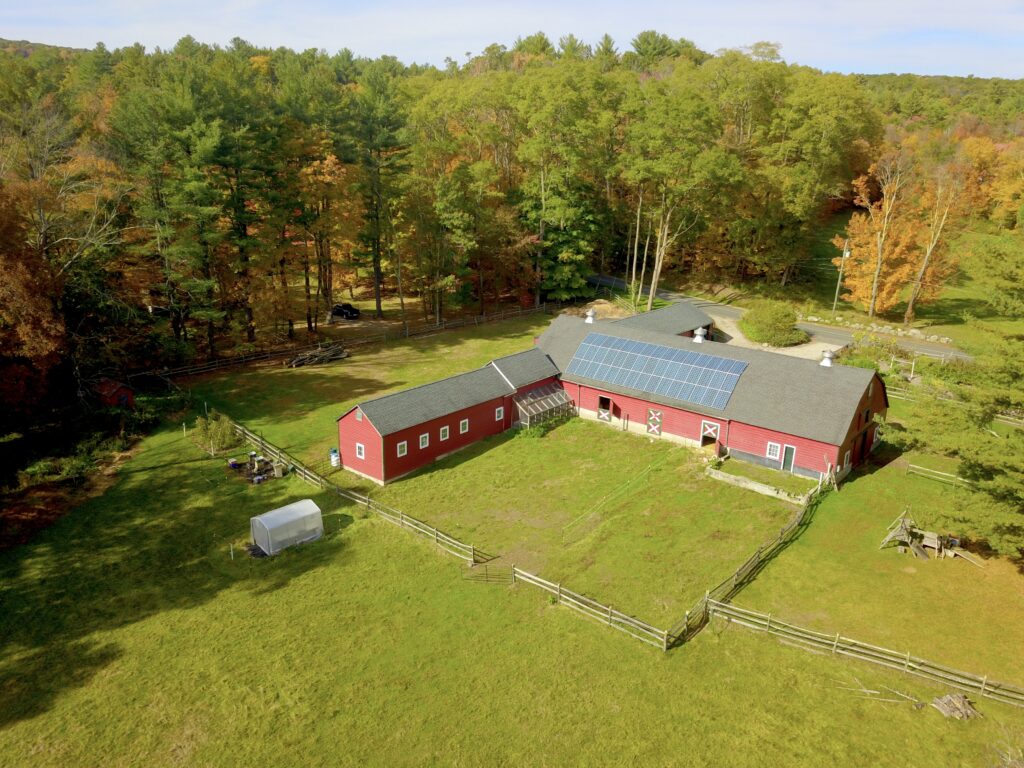
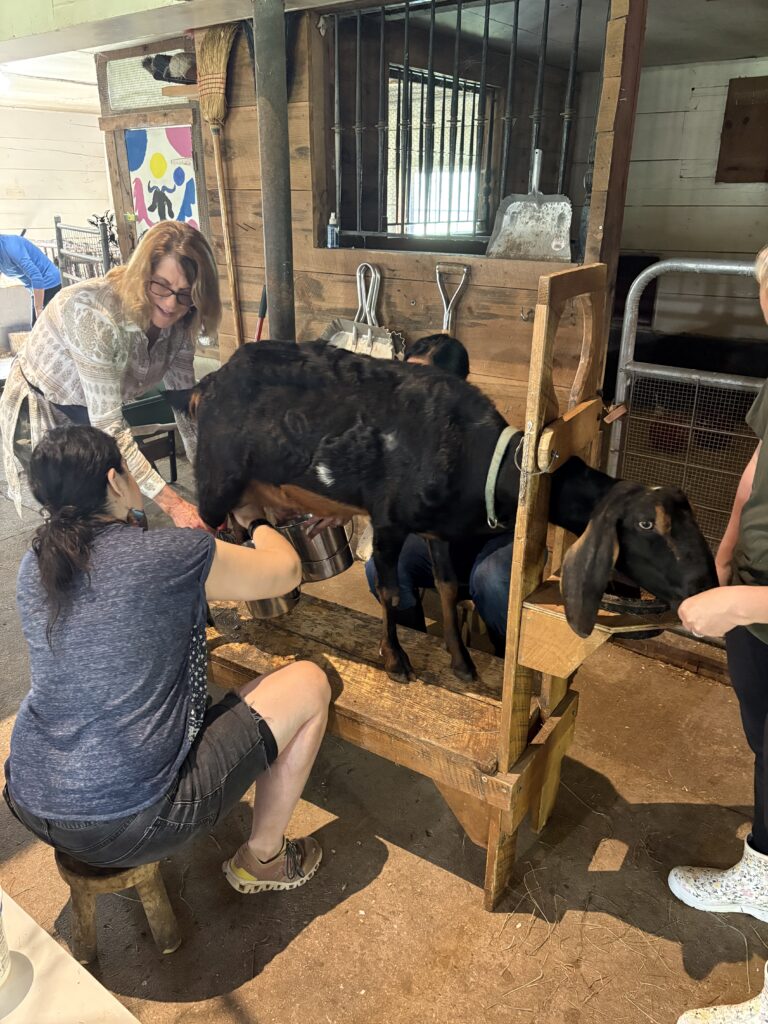
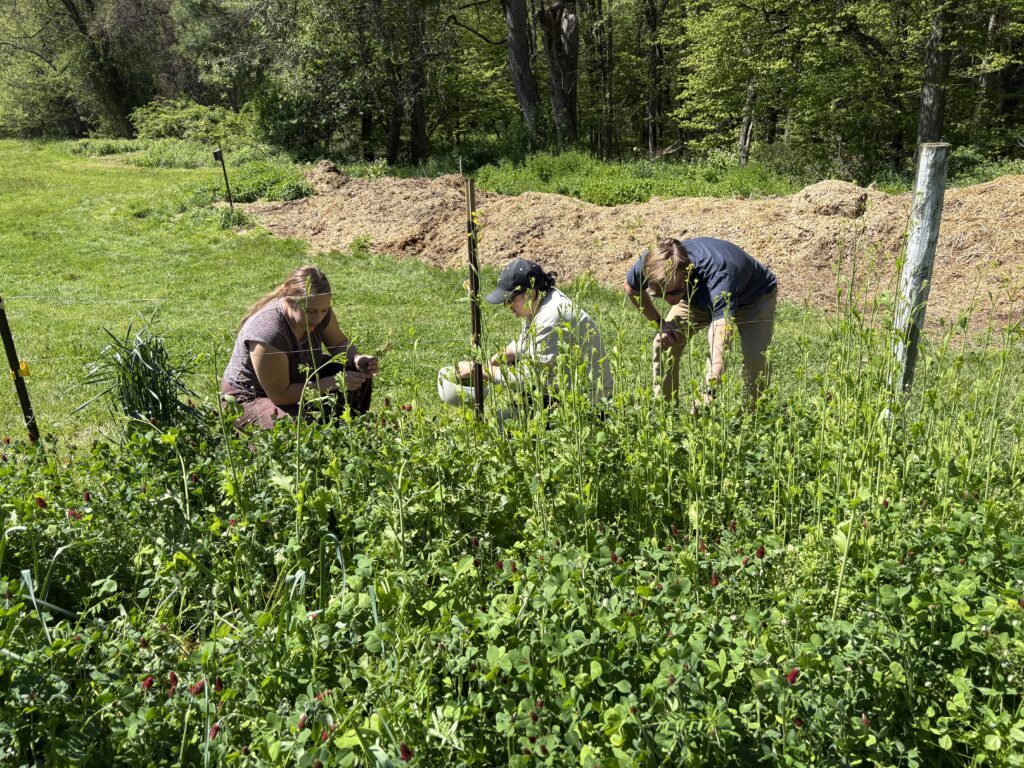
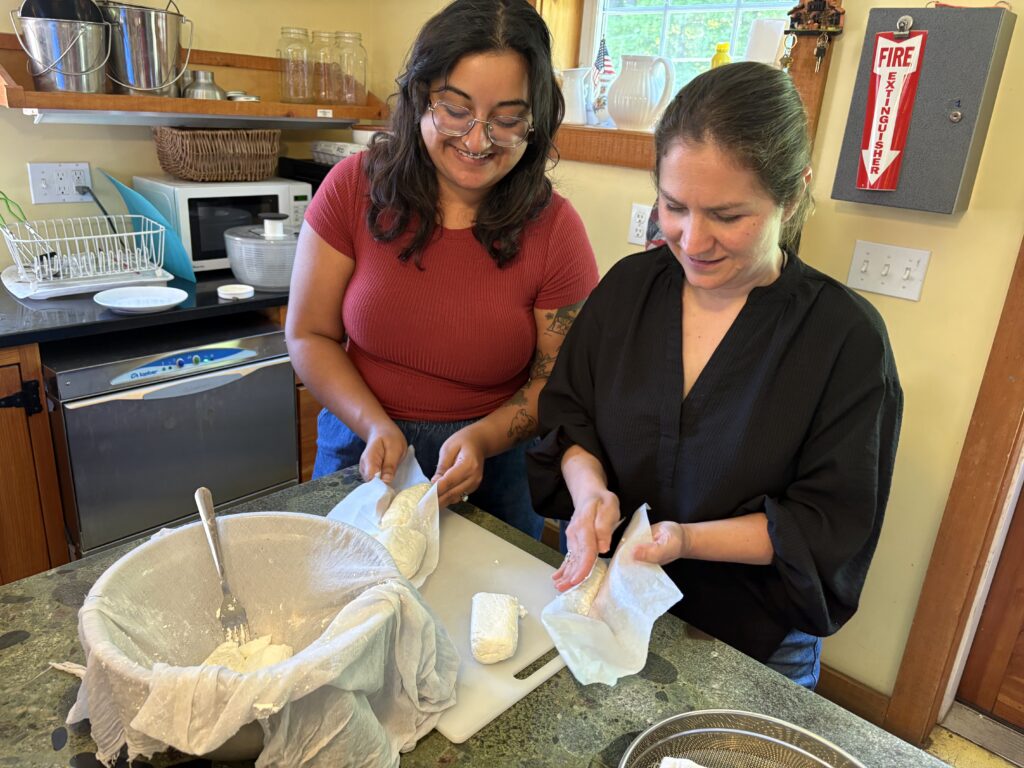
A key component of this is the onsite experience at the Montessori School of Greater Hartford’s Millstream Farm.
Participants engage in:
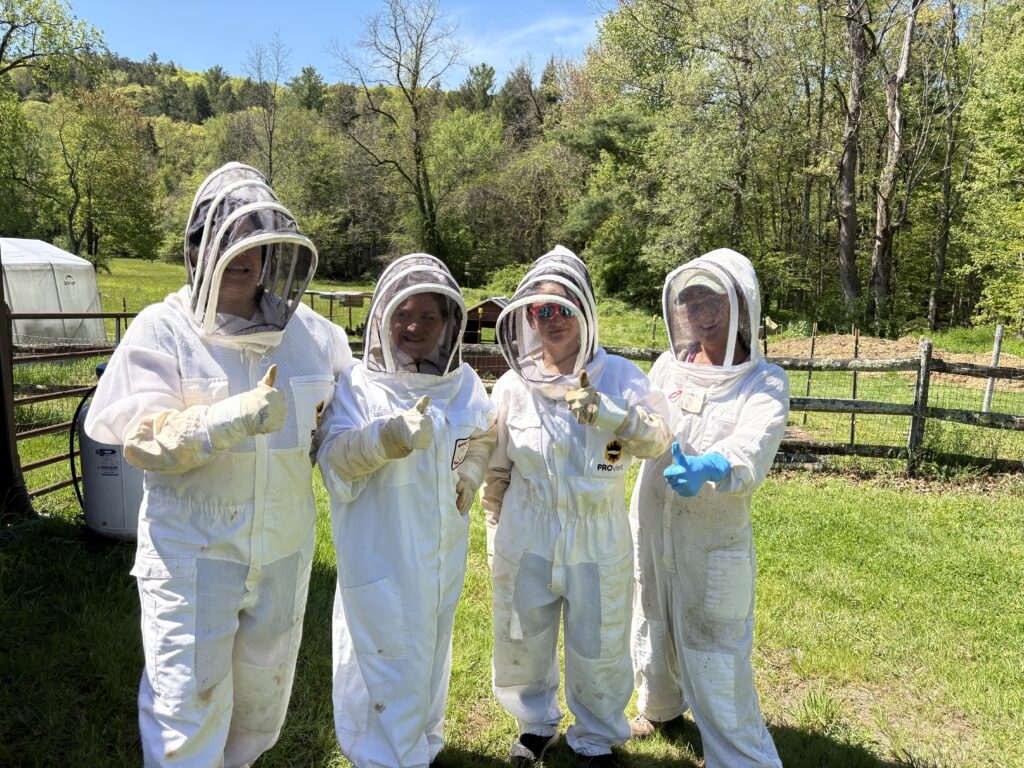
- Farm-based work (goat milking, beekeeping, planting, weeding, gardening, and animal care)
- Hands-on participation in production and exchange
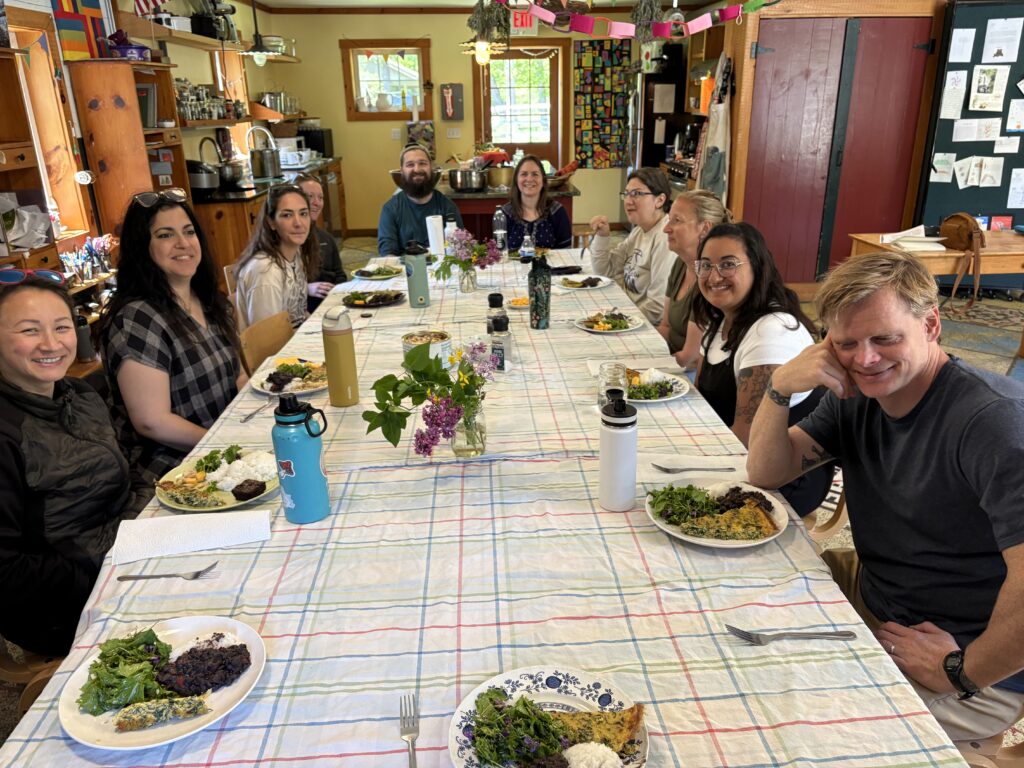
- Lunch preparation and shared community meals
- Movement and embodied learning
- Observation within an adolescent prepared environment
This immersive experience connects Montessori theory to lived adolescent practice.
Ongoing Course Engagement
Throughout the course, participants engage in:
- Movement and reflection
- Guided readings and assignments
- Seminars and collaborative dialogue
- Observation requirements for the AMI Orientation Certificate
- Question sessions, synthesis discussions, and final assignment completion
There is no lodging directly on the farm or within walking distance. However, several accommodations are available within a 20-minute drive at various price points. One option that has worked well for Montessori trainees in the past is:
Avon Old Farms Inn
https://www.avonoldfarmshotel.com
Course Highlights:
- AMI Certification: Upon successful completion, participants receive the AMI 12–18 Orientation Course Certificate of Completion, a recognized credential supporting professional growth in Montessori adolescent education.
- Immersive Learning Experience: This fully onsite program integrates face-to-face instruction with applied, hands-on learning for a comprehensive developmental experience at Millstream Farm, complemented by reflective coursework via Canvas, the LMS.
- Pathway to Further Study: Graduates who continue their studies at MTCNE may be eligible for a tuition credit toward a future AMI Diploma Course (eligibility and terms apply).
What You’ll Learn:
- How to understand adolescence through the Montessori Third Plane of Development—recognizing this stage as a period of profound transformation, identity formation, and emerging independence.
- How Montessori theory translates into a dynamic adolescent program grounded in meaningful work, community life, and real-world contribution.
- How to design environments that support collaboration, responsibility, production and exchange, and purposeful study.
- How the role of the adult shifts in adolescence—moving from guidance to a supportive partnership rooted in respect, clarity, and developmental insight.
- How to bridge theory and practice through experiential learning and observation within a functioning adolescent prepared environment.