 English
 Spanish
 Vietnamese
Schedule Pending AMI Approval
Montessori Orientation Certificate Course for Ages 12-18 years
The Blended AMI 12–18 Orientation Course provides a foundational introduction to Montessori theory and methodology for working with adolescents. The course integrates lecture, seminar, reflection, practical application, and immersive onsite experience to deepen understanding of the Third Plane of Development.
Delivered in Partnership with Montessori in Redlands:

Presented by AMI Trainer:
Gena Englefried

This Blended AMI 12–18 Orientation Course begins online with four live sessions, culminating in a two-day onsite experience at The Grove School.
Registration & Tuition
Pre-registration is required.
Standard Registration
Tuition: $900
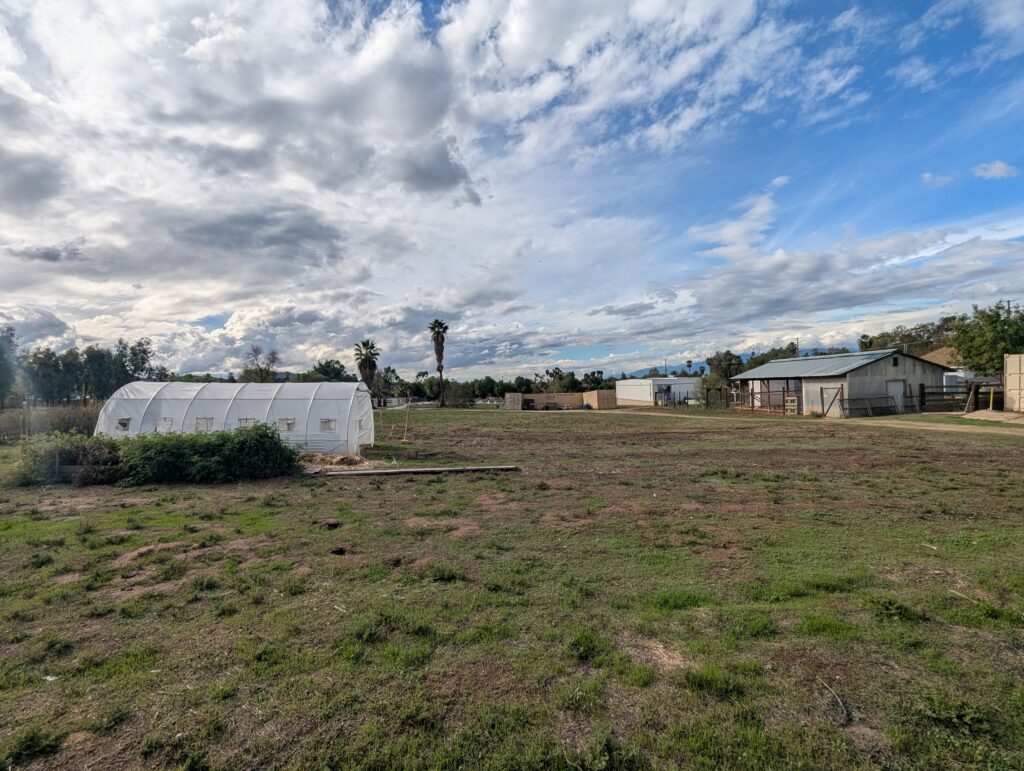
The Grove School
1775 Orange Ave, Redlands, CA 9237



Course Highlights:
- AMI Certification: Upon successful completion, participants receive the AMI 12–18 Orientation Course Certificate of Completion, a recognized credential supporting professional growth in Montessori adolescent education.
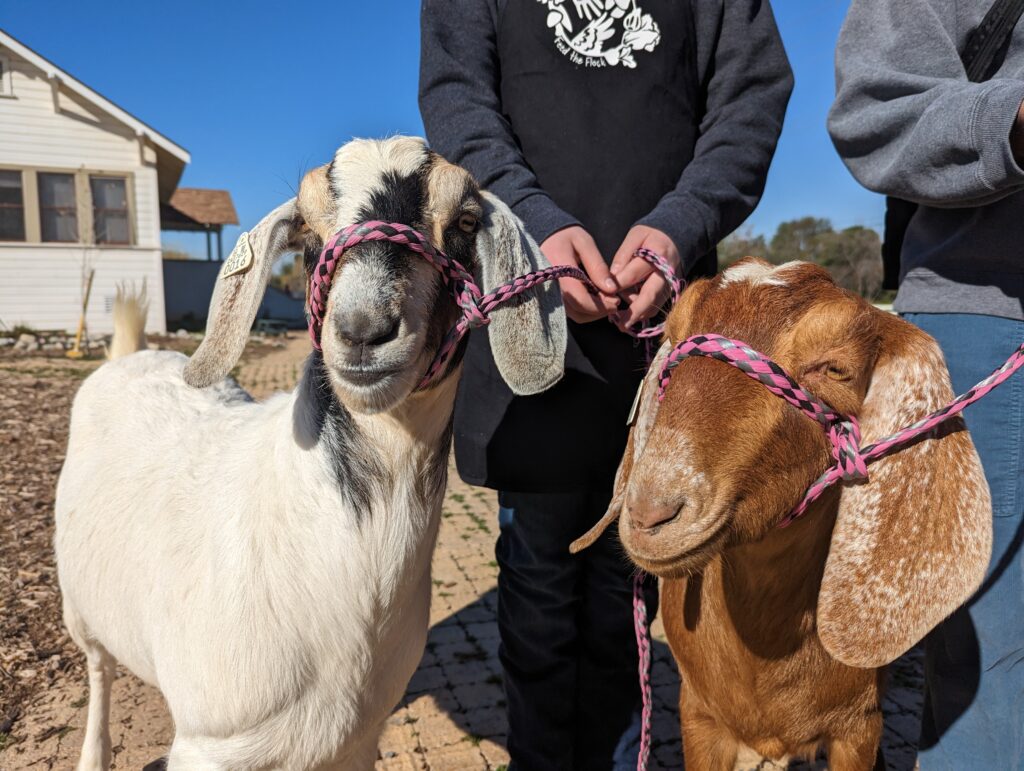
- Blended Learning Experience: Engage in live, interactive online sessions with an AMI Trainer, complemented by reflective assignments and experiential onsite learning at The Grove School—integrating synchronous and applied learning for a comprehensive developmental experience.
- Pathway to Further Study: Graduates who continue their studies at MTCNE may be eligible for a tuition credit toward a future AMI Diploma Course (eligibility and terms apply).
What You’ll Learn:
- How to understand adolescence through the Montessori Third Plane of Development—recognizing this stage as a period of profound transformation, identity formation, and emerging independence.
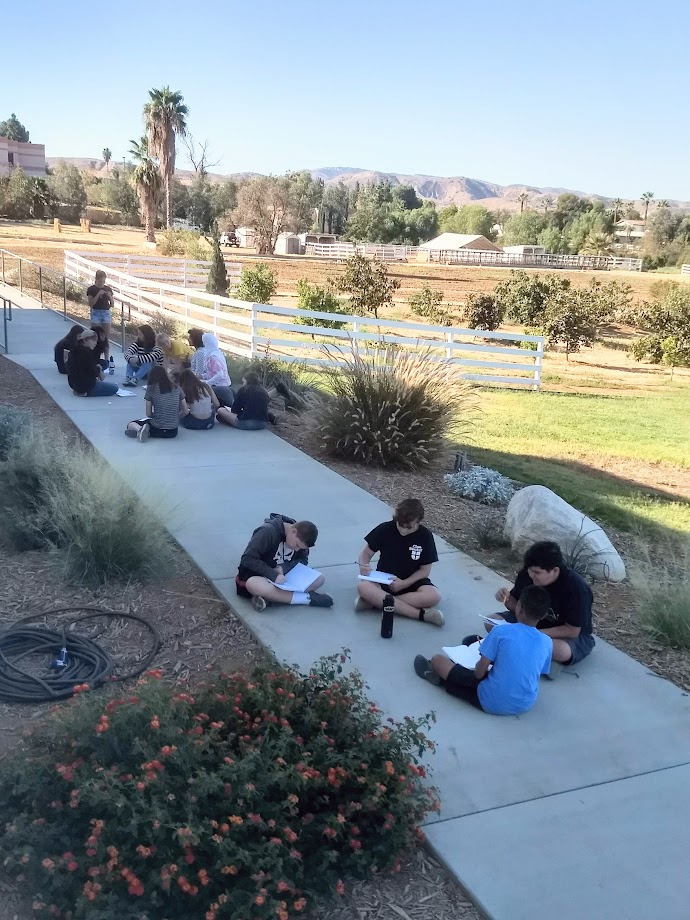
- How Montessori theory translates into a dynamic adolescent program grounded in meaningful work, community life, and real-world contribution.
- How to design environments that support collaboration, responsibility, production and exchange, and purposeful study.
- How the role of the adult shifts in adolescence—guiding with respect, clarity, and developmental insight rather than control.
- How to bridge theory and practice through experiential learning and observation within a functioning adolescent prepared environment.