 English
 Spanish
 Vietnamese


The Prepared Environment that Supports Adolescent Development
September 16, 2026
6:30 PM EDT
Community Education
Short Description
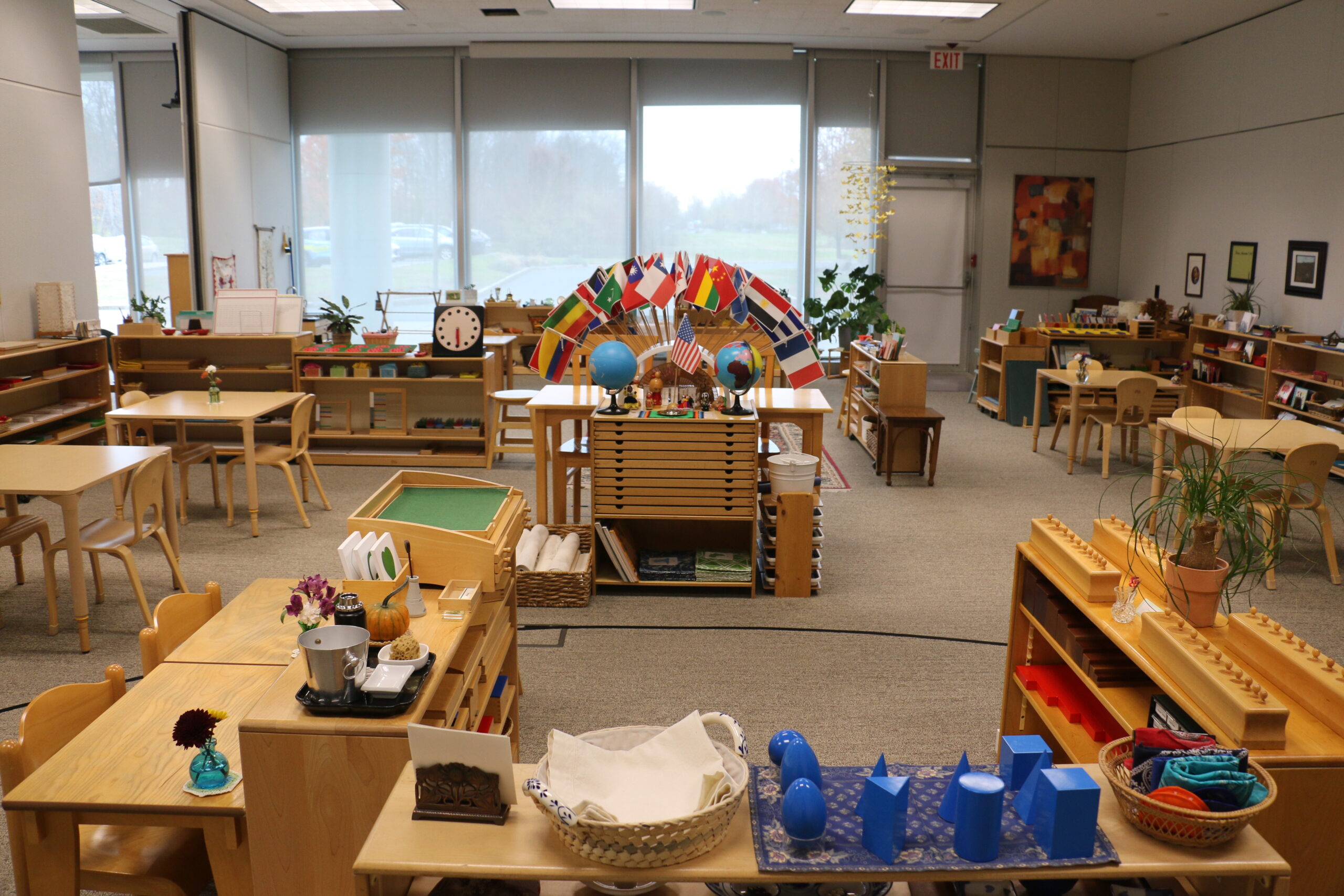
As at all levels of Montessori, in adolescence the prepared environment is a physical, social, and psychological space that supports human development. The prepared environment changes over time to suit the needs and characteristics of each stage of development. For the adolescent, Dr. Montessori envisioned a physical space that included a farm, a residency, a store, an inn, and a museum of machinery because those features give adolescents the opportunity to organize themselves as an adult-like society, where individual contribution, meaningful work, and responsibility to the group are foremost. This webinar will explore the theory and design of an adolescent prepared environment with the understanding that no two will be exactly alike, few will attain Dr. Montessori’s vision, and yet they will all center on core Montessori principles.
Community Education
Objectives
By the end of this session, participants will:
- Gain a better understanding of the theory behind the Montessori prepared environment for the adolescentConsider their own adolescent
- Consider their own prepared environment and whether/how it reflects core Montessori principles
- Gather ideas about how to improve a prepared environment
About Our Speaker

Caren Ross has established and led three farm-based Montessori adolescent programs in Connecticut over the past two decades and has spent the last 11 years as the lead guide and farm manager of the adolescent community at the Montessori School of Greater Hartford. She trained in Ohio, Mexico, and Hartford, and co-authored an article on the pyschodisciplines, which included a follow-up workshop on the adolescent-run farm.
Caren has a BA in psychology and Spanish from Tufts University and an MA in international affairs from Columbia University. Caren worked many years as a journalist, writing news stories from the United Nations and editing news from Spanish-speaking countries. Her long-time involvement with land preservation efforts further prepared her for Erdkinder work.
Conference Overview
A 4-Day In-Person Conference & Orientation | October 7-10, 2026
Conference Fee: Early Bird through 7/15/26: $895.00 | Full Price: $1,125.00
Part I: The Alexandrian Great Work — Seeds Planted in the Second Plane
The opening 2.5 days immerse participants in the living structure of the Alexandrian curriculum as it unfolds in the elementary years.
Presented by Kathleen Allen, Gerard Leonard, and David Kahn
Part II: In the Fullness of Time — From Adolescence to Adulthood
Beginning Friday afternoon, the lens widens. The conference turns explicitly toward the continuum from Second Plane foundations to Third and Fourth Plane culmination.
Presented by Baiba Krumins Grazzini, David Kahn, Mary Boehnlein, Xavier Angelo Paez Barrameda, and Caren Ross
Conference Hospitality
To support a collegial and reflective learning environment, the conference includes morning and afternoon tea each day, along with a light bagged lunch. These shared pauses in the day provide space for informal conversation, continued inquiry, and connection among participants and presenters.